
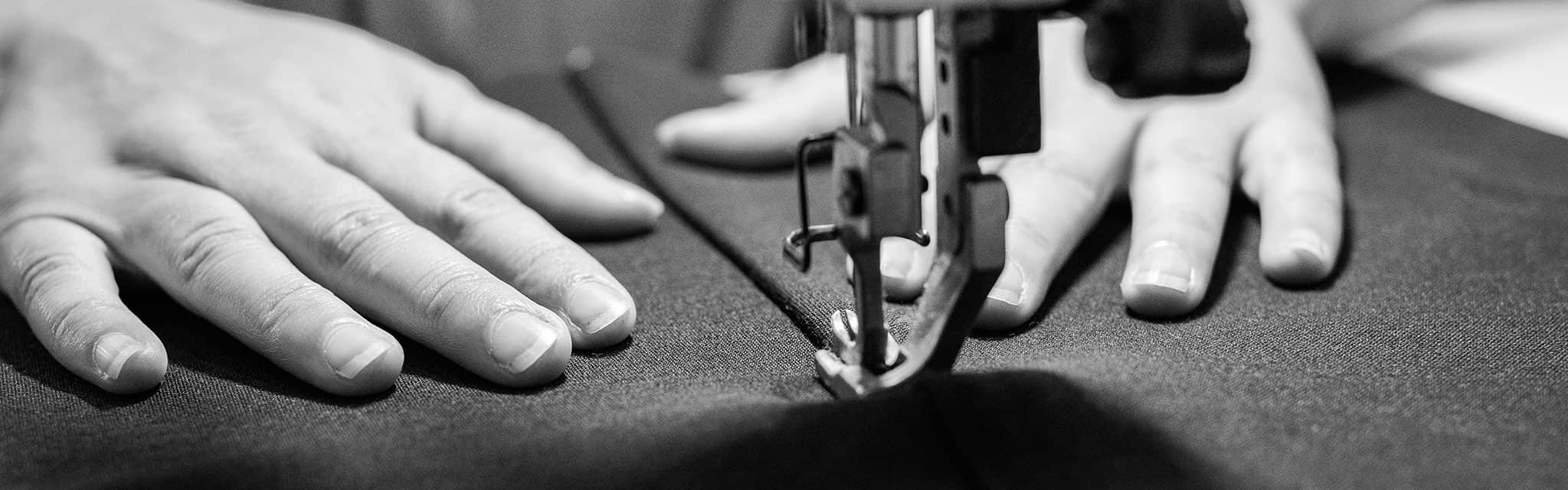
Natural Fibers, Engineered Performance
The outdoor industry has spent decades defaulting to synthetic materials, prioritizing cost and manufacturing efficiency over actual performance. Polyester wicks moisture but traps odor. Nylon is durable but lacks natural temperature regulation. Spandex stretches but degrades quickly. The result is gear that requires constant washing, wears out faster, and performs worse the longer you wear it.
SWNR takes a different approach: start with natural fibers that have solved performance challenges for centuries, then engineer them to exceed what synthetics can achieve. Merino wool naturally regulates temperature, resists odor, manages moisture in both directions, and biodegrades at end of life. Our fabric innovations don't replace these advantages with synthetic alternatives. We enhance them through advanced knitting techniques, strategic reinforcement, and proprietary treatments that amplify what nature already does better than any lab-created polymer.
Every SWNR fabric is built on a foundation of natural fibers because when you start with materials that actually work with the human body, you don't need to engineer around their limitations.

DUAL SURFACE™ fabric construction detail
DUAL SURFACE™ Precision Blended Wool
Most moisture-wicking fabrics abandon natural fibers entirely in favor of synthetics that move sweat away from the body but sacrifice temperature regulation and odor resistance. DUAL SURFACE™ proves you don't have to choose. Through specialized knitting techniques, this single-layer fabric combines fine micron merino wool with a thin inner layer of high-performance wicking yarns positioned directly against the skin.
Moisture is pulled away from the body and dispersed onto the fabric's outer merino surface, where wool's natural properties regulate temperature and manage moisture long after activity intensity drops. Unlike synthetic-only fabrics that feel clammy when you stop moving, DUAL SURFACE™ leverages wool's ability to absorb up to 30% of its weight in moisture while still feeling dry to the touch.
Wool can absorb up to 30% of its weight in moisture while still feeling dry to the touch
This dual-action system keeps you dry during exertion and comfortable during recovery without sacrificing the odor resistance and durability that make merino superior to synthetics for extended wear.
Next-to-skin applications where comfort, breathability, and multi-day performance are critical.
SURFACE HARDENED™ Wool
Merino wool delivers unmatched comfort and temperature regulation, but critics claim it lacks the abrasion resistance needed for rugged mountain environments. SURFACE HARDENED™ Wool proves otherwise. By reinforcing 21.5-micron merino with strategically placed high-performance nylon and finishing with a durable water-repellent (DWR) coating, this patent-pending 4-way stretch fabric delivers the toughness of technical synthetics without abandoning wool's inherent advantages.
The result is a fabric that's soft and warm against the skin while rugged enough to handle brush, rock, and repeated use in backcountry conditions. Merino's natural elasticity provides stretch and recovery that synthetic fabrics achieve only through added spandex, which degrades over time. Wool bounces back. Synthetics don't.
21.5-micron merino + high-performance nylon
4-way stretch with DWR coating
SURFACE HARDENED™ Wool functions as a standalone outer layer or as a mid-layer beneath a shell, maintaining breathability and odor resistance across multi-day expeditions where synthetic fabrics would require washing.
Mountain workwear and serious outdoor applications where durability can't compromise the performance advantages of natural fibers.

SURFACE HARDENED™ Wool reinforced construction

Phase-SC™ yarn-dyed camouflage technology
Phase-SC™
Traditional camouflage is surface-printed onto synthetic fabrics, creating a reflective finish that defeats the purpose of concealment. Phase-SC™ leverages merino wool's natural light-absorbing properties by dyeing the pattern at the yarn level before fabric construction, then engineering it into wool-based textiles that eliminate synthetic sheen entirely.
Merino's fiber structure naturally scatters light rather than reflecting it, enhancing concealment across varied terrain and lighting conditions. Combined with wool's temperature regulation and odor resistance, Phase-SC™ delivers performance that matters for extended hunts in demanding environments where synthetic fabrics would require frequent washing and compromise scent control.
Yarn-level dyeing combined with wool's natural light-scattering fiber structure eliminates synthetic sheen for superior concealment across varied terrain and lighting conditions.
The Power of Air
Air movement is the key to comfort across varying conditions and activity levels. Traditional outerwear blocks airflow entirely, while activewear allows unrestricted air exchange. Both approaches force constant adjustment. SWNR's AIR fabric system engineers precise airflow control directly into merino-based textiles, leveraging wool's natural ability to regulate temperature and moisture while adding engineered breathability that adapts to activity levels.
AIR-3
Engineered with ultrafine spun merino wool and high-performance moisture-wicking yarns for maximum breathability. Merino's natural crimp creates air pockets that regulate temperature without trapping heat, making this ideal for warm weather or highly aerobic activities.
AIR-2
Built with 21.5-micron spun merino wool co-knitted with two high-performance yarns for enhanced abrasion resistance and balanced airflow. Wool's inherent elasticity and recovery provide 4-way stretch without added synthetics that degrade over time. Ideal for moderate to cool conditions with variable activity levels.
AIR-1
The most advanced air control in the system. Beyond spun merino and performance yarn combinations, AIR-1 integrates a co-knitted CORE CONSTRUCTION™ membrane that precisely regulates air exchange between body and environment. Merino's natural insulation properties combine with engineered weather protection, functioning as a personal thermostat that adapts to conditions without manual adjustment.
Why Natural Fibers Win
Synthetics dominate the outdoor industry because they're cheap to produce and easy to market. But performance tells a different story:
Naturally resist bacterial growth
Trap odor and require antimicrobial treatments that wash out over time
Adapt to conditions, keeping you warm when it's cold and cool when it's hot
Trap heat or fail to insulate
Absorb moisture vapor and wick liquid, managing humidity in both directions
Only push moisture away, leaving you clammy when activity stops
Natural elasticity and recovery in the fibers
Rely on spandex that degrades with use and washing
Renewable and biodegradable
Petroleum-based and contribute to microplastic pollution with every wash
SWNR doesn't use natural fibers because they're trendy. We use them because they outperform synthetics when engineered correctly.
Built for Real Conditions
Every SWNR fabric innovation is tested in the field through VOORMI products worn by customers who demand performance in the harshest environments. These aren't laboratory concepts or marketing claims. They're proven technologies that solve real problems in mountain, backcountry, and extreme weather conditions where conventional synthetic fabrics fail.