

We engineer screens we touch for seconds. We ignore fabric that touches us 24/7.
Clothing, bedding, upholstery. The materials that touch human skin more than any other surface. They should protect, sense, respond, perform. Instead, they've been engineered for aesthetics and cost. SWNR exists because we believe textile architecture can do exponentially more than cover the body. We're building textiles that replace entire categories of external technology.
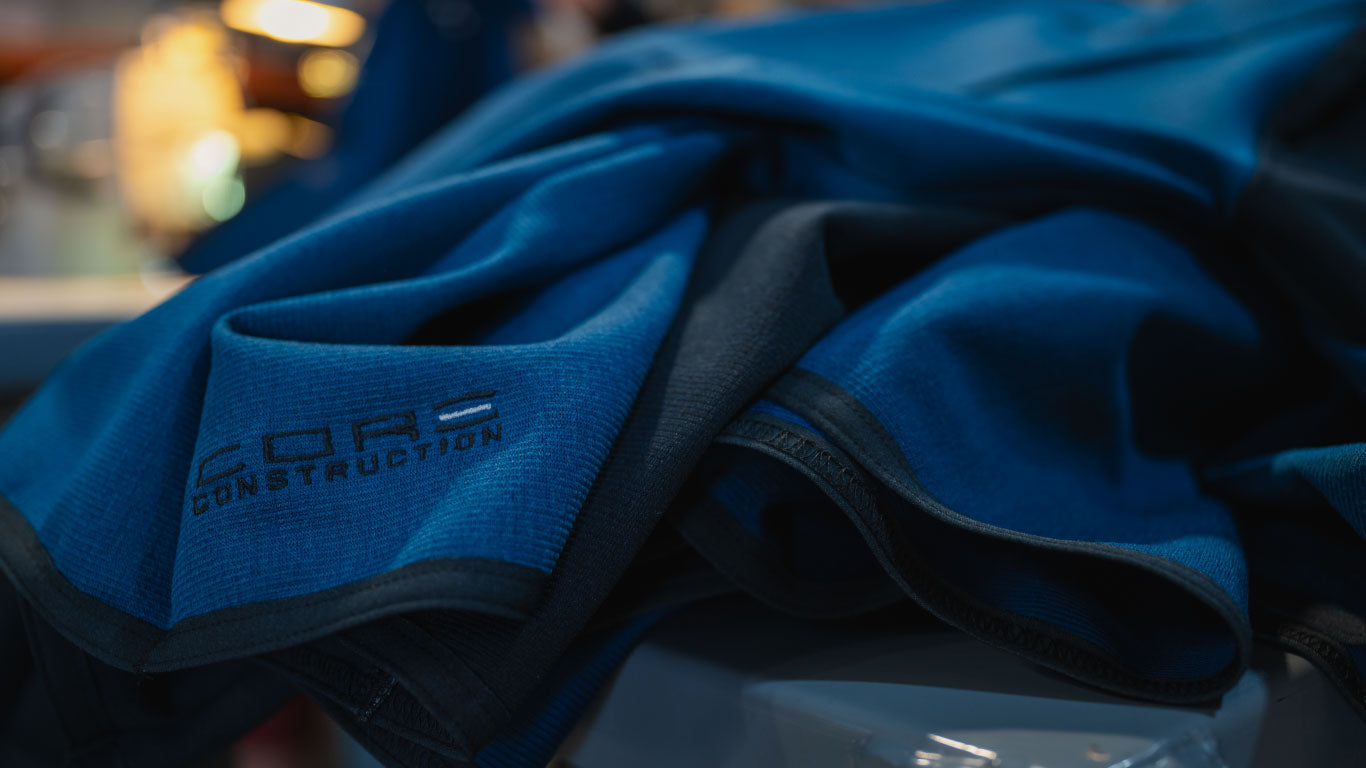
The first weatherproof membrane engineered directly into knit architecture - proving that protective technology could be woven into textile structure itself, not just applied to its surface.
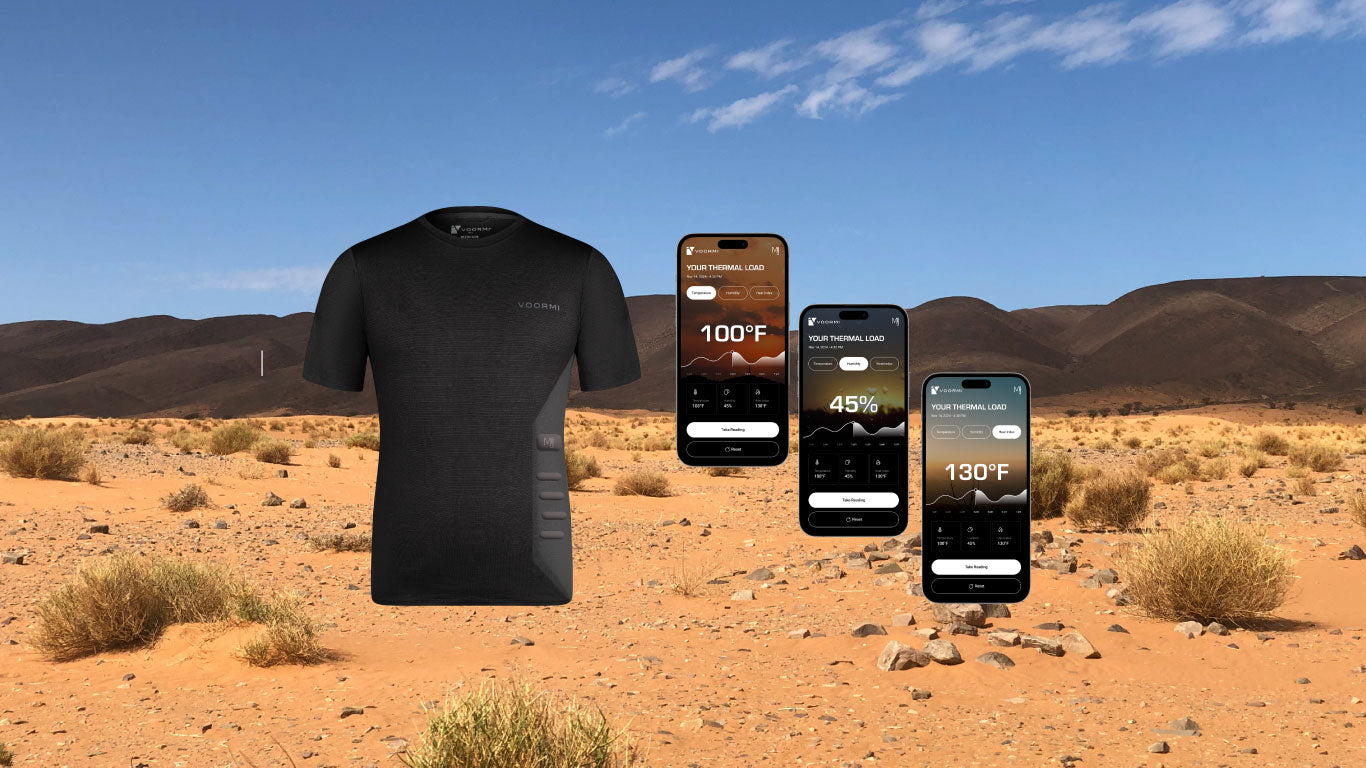
Biometric sensing embedded in fabric. CORE CONSTRUCTION™ proved textiles could replace mechanical systems. Mij® extends that logic: if fabric can be weatherproof infrastructure, it can be sensing infrastructure. No form factor device. The textile is the technology.
These breakthroughs answer one question: Can textiles replace external systems? They unlock the next: What happens when the materials surrounding us—clothing, bedding, environmental textiles—actively respond to human need in real time?
Each technology unlocks the next capability. CORE CONSTRUCTION™ proved textiles could integrate protective systems at the structural level. Mij® demonstrates textiles performing sensing functions. The trajectory is clear: textiles becoming active, responsive, intelligent infrastructure. Not accessories to human performance. The foundation of it.
This is the beginning of textiles as operating system. Not decoration. Not commodity. Infrastructure.
The Evolution of Wearable Technology
Four waves built the foundation. Wave 5 integrates the insight.
Proof of Concept
Clip-on pedometers proved people wanted their biometric data. Simple devices, powerful validation. The market was real.
Continuous Monitoring
Always-on sensing changed expectations. Heart rate, GPS, notifications became standard. Users wanted more data, more often.
Medical-Grade Accuracy
Rings, straps, and specialized sensors proved consumer devices could deliver clinical-grade insights. Accuracy became achievable.
The Integration Challenge
Multiple devices syncing revealed the next frontier. The technology worked. The friction was the device itself.
Intelligence in the Fabric
Mij® synthesizes two decades of learning into textile architecture.
We needed Waves 1-4 to prove biometric monitoring was valuable, continuous sensing was essential, medical-grade accuracy was possible, and device friction was the final barrier. Mij® eliminates that barrier entirely. Biometric sensors woven directly into fabric. No form factor devices to wear or remember. The textile becomes the technology. No changing behavior.
The Technology Platform
Each breakthrough asks the next question.
CORE CONSTRUCTION™ asked: Can weatherproof protection be engineered into textile structure instead of applied to its surface? The answer was yes. That unlocked the next question. Mij® asked: If fabric can integrate mechanical systems, can it integrate sensing systems? Again, yes. No form factor device. The textile becomes the technology. Now the questions expand.
What This Unlocks
CORE CONSTRUCTION™ proved integration at the material level eliminates external systems. Mij® proved textiles can capture biometric data without devices. Together, they establish the methodology: identify where separation creates friction, then engineer integration into the fabric itself.
The pattern is clear. The implications are not.
CORE CONSTRUCTION™
Single-layer weatherproof fabric. No bonded membranes. No treatments that degrade. Protection engineered into knit architecture during construction. This wasn't about making better outerwear. It was about proving our thesis: accepted constraints are often design choices, not material limits.
See the TechnologyMij®
Biometric sensing embedded in fabric structure. Heart rate, temperature, movement—captured through textile architecture, not external hardware. If fabric can be weatherproof infrastructure, it can be sensing infrastructure. The question isn't whether textiles can replace devices. It's what becomes possible when they do.
Discover MijThe Next Interrogation
We've proven textiles can integrate protection. We've proven they can integrate sensing. The methodology scales.
What happens when the materials surrounding us — clothing, bedding, environmental textiles — actively respond to human need in real time? When 2+ square feet of fabric touching your body isn't passive material but active infrastructure?
We're building toward answers. The questions are just beginning.
Market Validation
We partner with organizations where textile failure isn't acceptable. Defense. Industrial safety. Elite athletics. Healthcare.
Not to sell them products. To interrogate assumptions together.
What happens when the material closest to the body becomes active infrastructure? When fabric doesn't just protect but responds? Collaboration refines the questions as much as the technology. Each partnership validates market demand, de-risks commercial deployment, and proves the methodology scales beyond proof of concept.
Latest Events: CES 2025
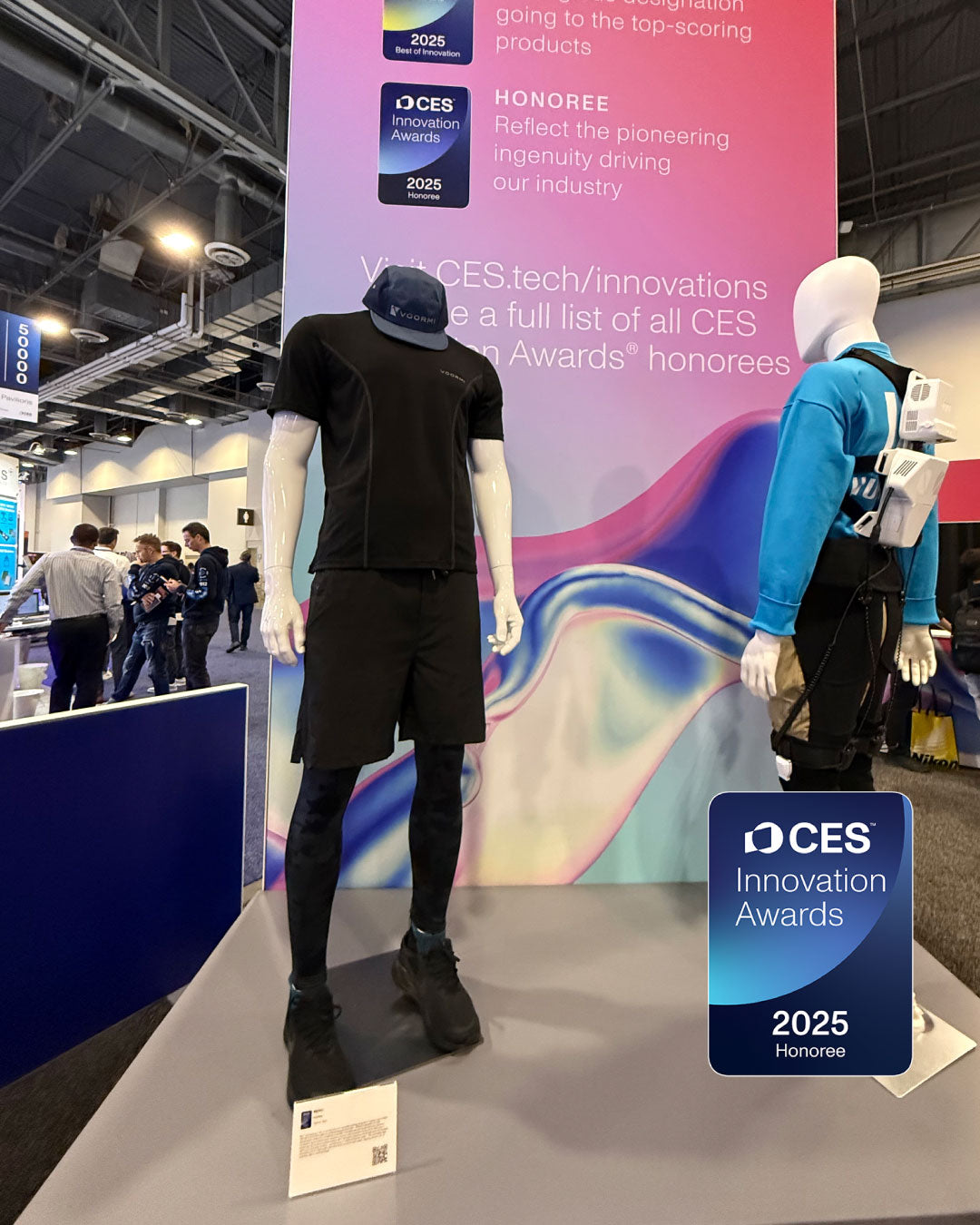
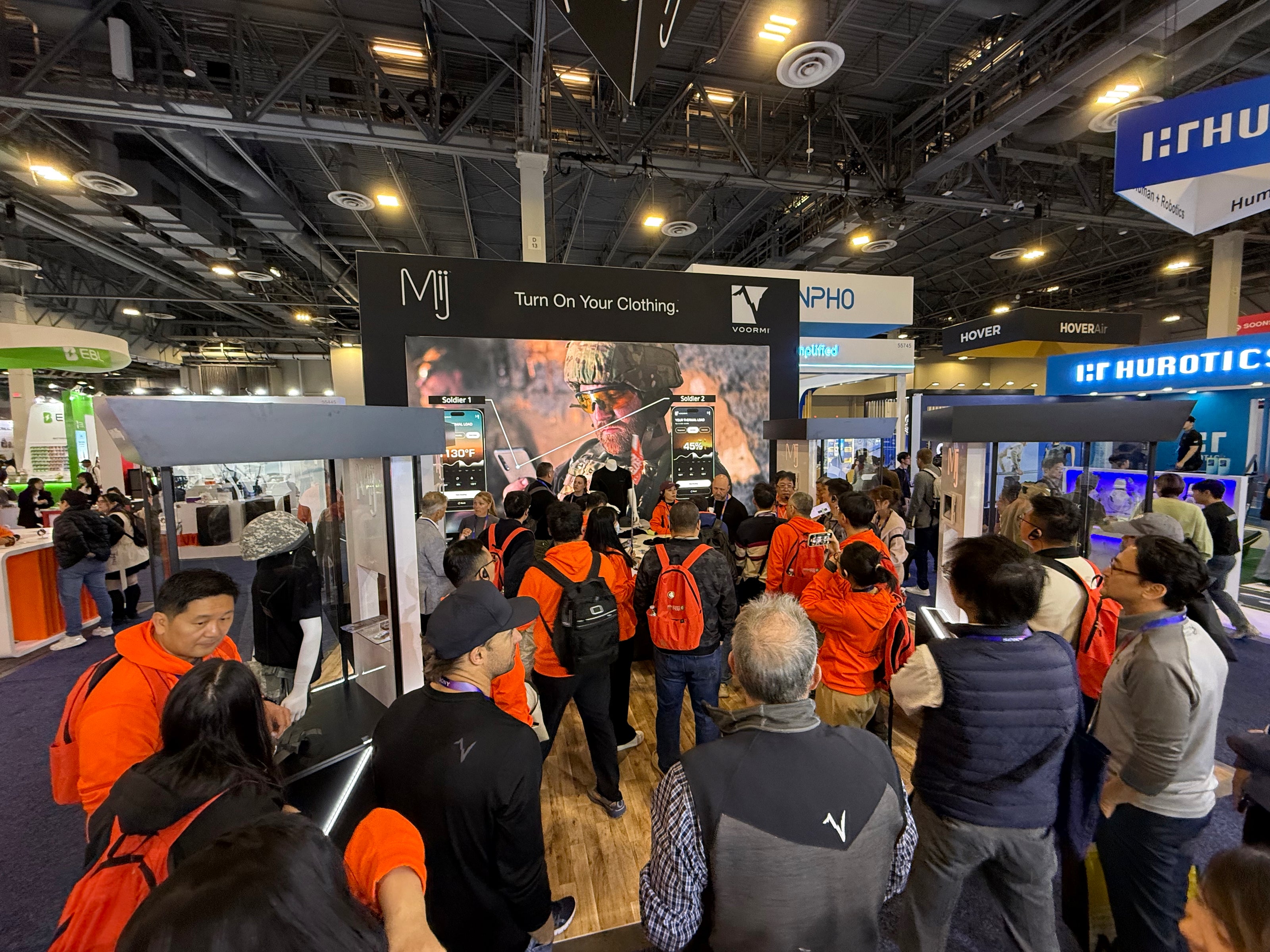
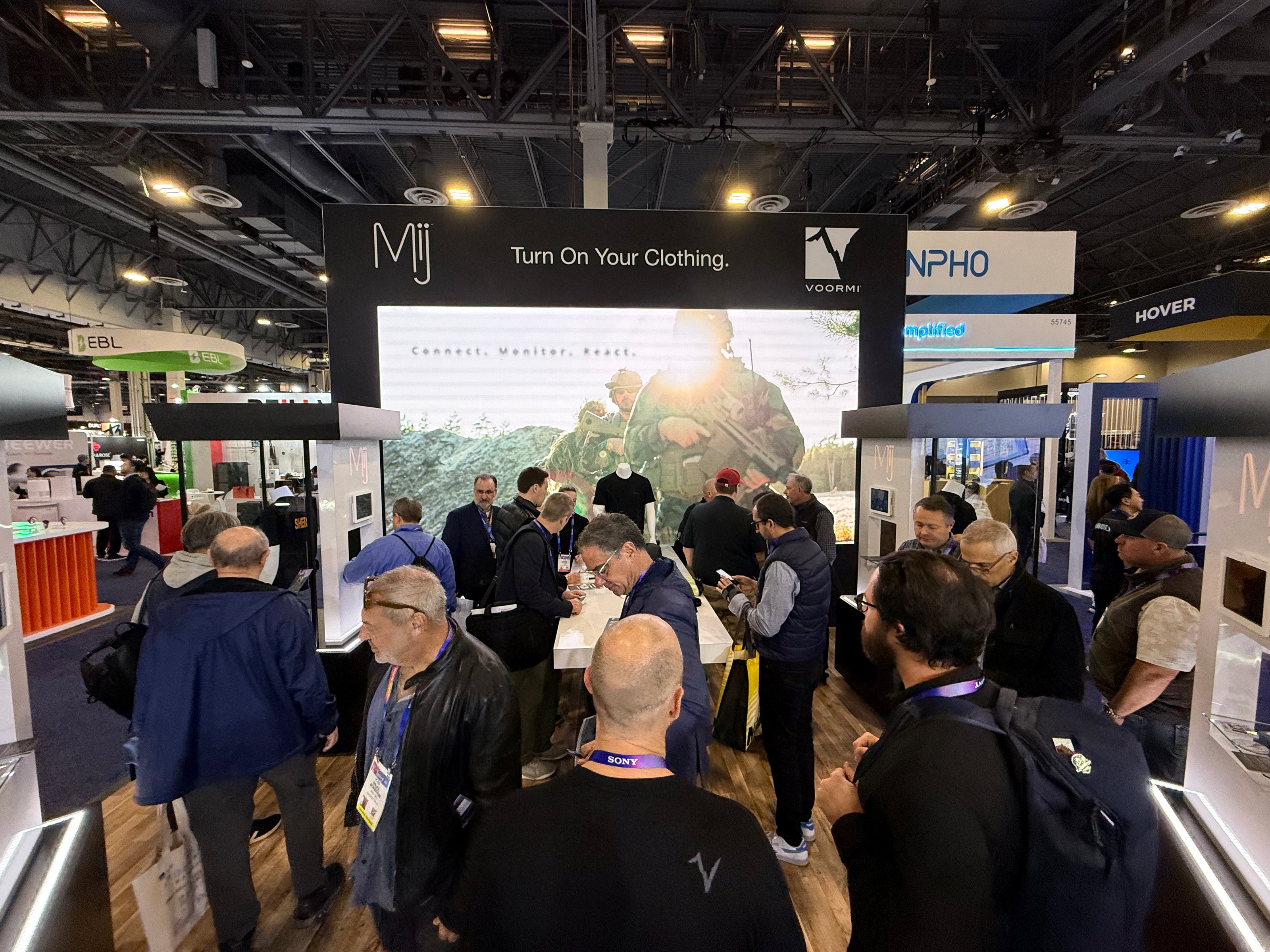
CES® 2025 Innovation Awards Recognition
SWNR's Mij biometric sensing platform was named a CES® 2025 Innovation Awards Honoree in Fashion Technology, one of the industry's most prestigious recognitions for breakthrough consumer technology.
With over 3,000 submissions from pioneering companies worldwide, honoree status is reserved for products that achieve the highest ratings from expert judges across innovation, engineering, functionality, and design.
This recognition validates what we've known: the next evolution in wearable technology isn't about better devices. It's about eliminating devices entirely.
Read Our CEO's CES Reflections